
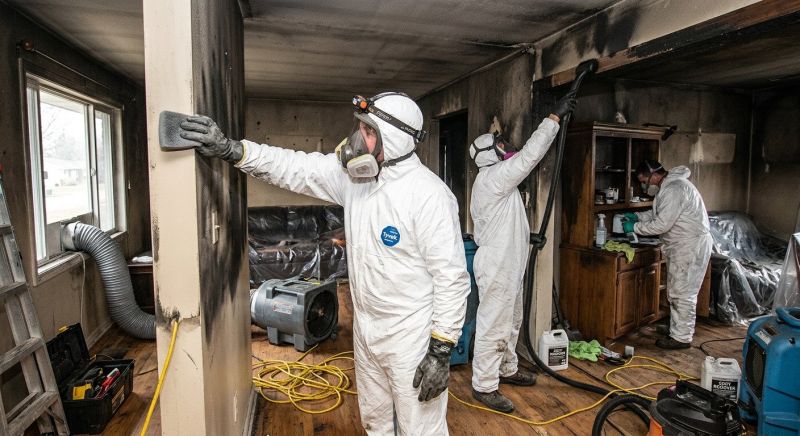
Soot Damage Restoration in Phoenix, AZ
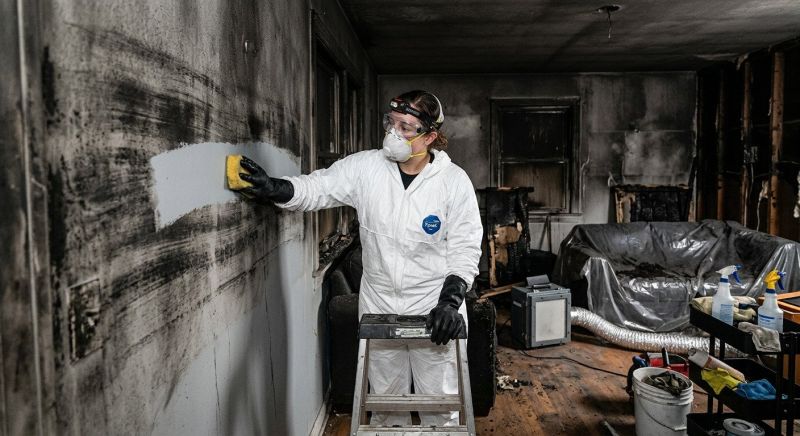
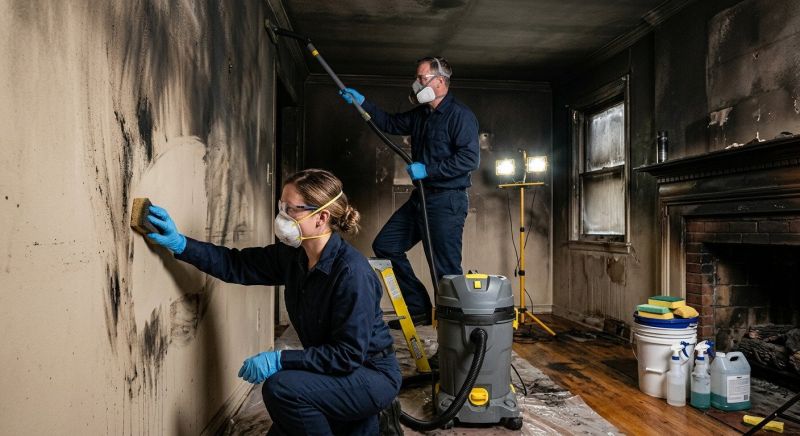
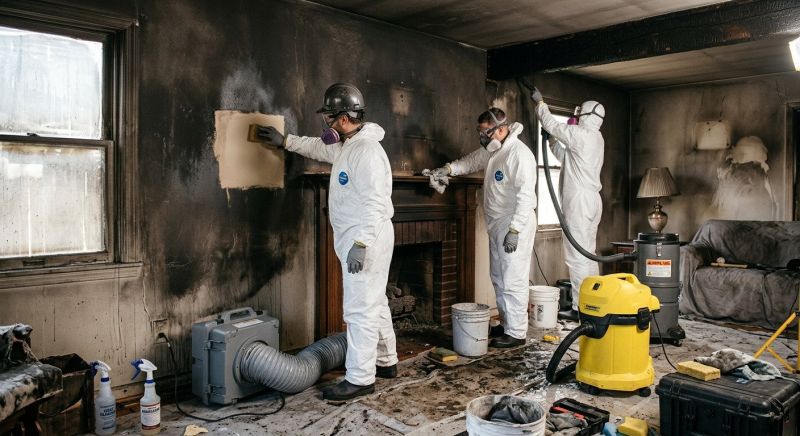
Soot damage restoration services focus on cleaning and repairing properties affected by soot residue resulting from fires, smoke, or other combustion sources. These projects often involve removing soot from walls, ceilings, furniture, and HVAC systems, as well as addressing lingering odors and preventing further damage. Homeowners typically seek this service after experiencing a fire or smoke incident, aiming to restore a safe and clean living environment. It is important for property owners to understand the extent of soot contamination and the necessary cleaning methods to ensure thorough removal and prevent health issues or ongoing odors.
Before requesting soot damage restoration, property owners should evaluate the severity of soot coverage and whether additional repairs, such as repainting or replacing damaged materials, might be needed. Clarifying the scope of work and any specific concerns, like odor removal or structural damage, can help determine the appropriate services. Understanding the types of soot involved (such as protein or carbon soot) and the materials affected can also guide expectations for cleaning procedures and outcomes. Proper assessment ensures that the restoration process effectively restores the property’s safety, cleanliness, and appearance.
Many property owners in Phoenix, AZ look into Soot Damage Restoration for repairs, replacements, upgrades, and appearance-related improvements.
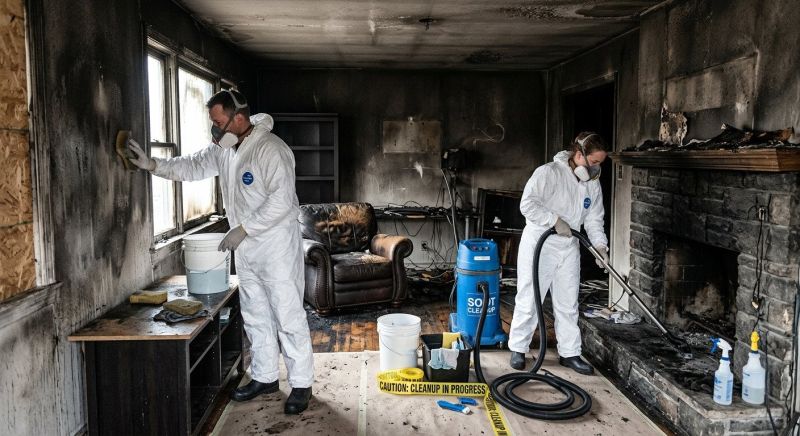
Understanding Soot Damage
Soot can penetrate walls, ceilings, and hvac systems, causing ongoing issues if not properly addressed.
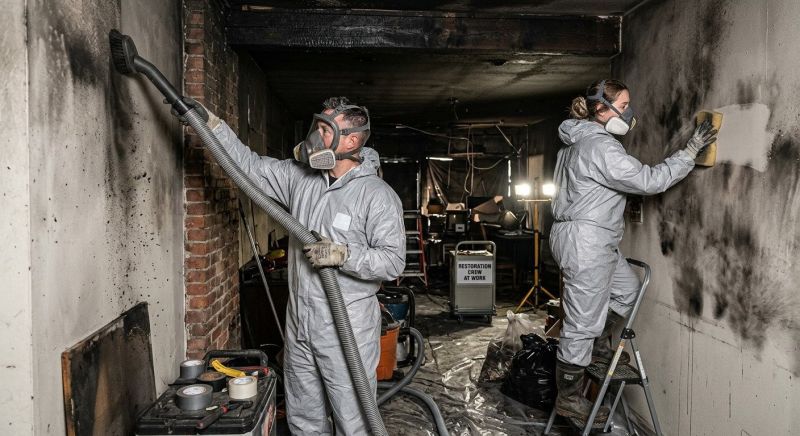
Restoration Process
Effective soot damage restoration involves cleaning, deodorizing, and restoring affected areas to prevent further damage.
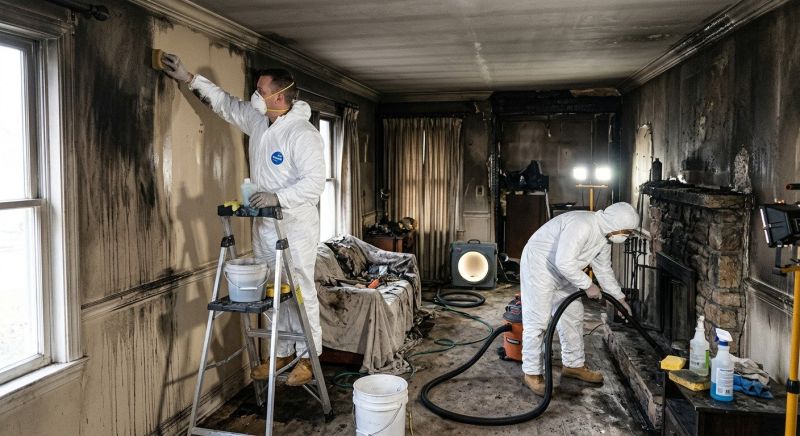
Preventive Measures
Proper maintenance and fire safety practices can help minimize the risk of soot damage in phoenix homes and businesses.
Soot Damage Restoration in Phoenix, AZ

Soot damage restoration services focus on cleaning and repairing properties affected by soot residue resulting from fires, smoke, or other combustion sources. These projects often involve removing soot from walls, ceilings, furniture, and HVAC systems, as well as addressing lingering odors and preventing further damage. Homeowners typically seek this service after experiencing a fire or smoke incident, aiming to restore a safe and clean living environment. It is important for property owners to understand the extent of soot contamination and the necessary cleaning methods to ensure thorough removal and prevent health issues or ongoing odors.
Before requesting soot damage restoration, property owners should evaluate the severity of soot coverage and whether additional repairs, such as repainting or replacing damaged materials, might be needed. Clarifying the scope of work and any specific concerns, like odor removal or structural damage, can help determine the appropriate services. Understanding the types of soot involved (such as protein or carbon soot) and the materials affected can also guide expectations for cleaning procedures and outcomes. Proper assessment ensures that the restoration process effectively restores the property’s safety, cleanliness, and appearance.
Many property owners in Phoenix, AZ look into Soot Damage Restoration for repairs, replacements, upgrades, and appearance-related improvements.
Common Soot Damage Restoration Jobs
Soot Damage Restoration - Restores indoor air quality by removing soot residues from surfaces and vents.
Fire Damage Cleanup - Cleans and deodorizes areas affected by fire and smoke soot.
Home Soot Damage Repair - Repairs and restores walls, ceilings, and furniture affected by soot deposits.
Commercial Soot Removal - Provides soot cleaning for offices, retail spaces, and other commercial properties.
Smoke Odor Removal - Eliminates lingering smoke odors caused by soot buildup.
Soot Damage Prevention - Offers advice on fire safety and soot mitigation strategies.
Soot Damage Restoration Questions
What causes soot damage in homes? Soot damage typically results from fires or smoke incidents that leave residue on surfaces and in air ducts.
How does soot affect indoor air quality? Soot particles can linger in the air, potentially causing respiratory issues and lingering odors inside the property.
What areas are most affected by soot damage? Soot often accumulates on walls, ceilings, HVAC systems, and other surfaces exposed to smoke from a fire or combustion source.
What should property owners do after soot damage occurs? It is important to have affected areas professionally cleaned to remove residue and prevent further damage or odor issues.
Request Soot Damage Restoration in Phoenix, AZ
Use the quote form on this page to share the basics of your project and request more information for the type of work you need.